20 Fun Facts About Exercise Machine
Home Exercise Equipment: A Comprehensive Guide to Fitness Convenience In the contemporary period, maintaining a healthy lifestyle has actually ended up being progressively essential. With the busy nature of life and the convenience of innovation, home exercise equipment has emerged as a versatile solution for those seeking to remain fit without the restraints of a gym subscription or the requirement to travel. This short article checks out the different kinds of home exercise equipment, their advantages, and how to select the ideal pieces for a tailored exercise routine. The Rise of Home Gyms The international pandemic has considerably accelerated the trend of working out in the house. According to a study by the International Health, Racquet & Sportsclub Association (IHRSA), 34% of gym-goers who were required to pause their gym gos to due to the pandemic chosen to continue exercising in the house even after gyms resumed. This shift highlights the growing preference for the versatility and convenience of home exercise equipment. Types of Home Exercise Equipment Cardio Equipment Treadmills: Ideal for running or strolling, treadmills offer a series of settings to adjust speed, incline, and even imitate outside terrains. Elliptical Trainers: These machines supply a low-impact, full-body exercise, making them appropriate for people with joint issues. Stationary Bikes: Both upright and recumbent bikes are excellent for cardiovascular exercise and can be changed for different intensity levels. Rowing Machines: Rowing devices are fantastic for a full-body exercise, focusing on the back, arms, and legs while also improving cardiovascular health. Strength Training Equipment Dumbbells and Barbell Sets: Essential for weight training, these can be adjusted to different resistance levels to fit individual requirements. Resistance Bands: Portable and versatile, resistance bands can be used for a variety of exercises, from strength training to physical treatment. Kettlebells: Known for their adaptability, kettlebells are excellent for functional training and can be utilized in a large range of workouts. Weight Benches: A weight bench is a must-have for a home gym, providing a steady platform for different strength training exercises. Practical Training Equipment Pull-Up Bars: Easy to install and extremely reliable for upper body strength, pull-up bars can be used for a variety of exercises consisting of pull-ups, chin-ups, and hanging leg raises. Exercise Balls: Also referred to as stability balls, these are great for core workouts and can be used to improve balance and flexibility. Jump Ropes: An affordable and effective method to enhance cardiovascular fitness and coordination. Yoga and Pilates Equipment Yoga Mats: Essential for yoga and Pilates, yoga mats supply cushioning and traction throughout workouts. Pilates Reformer: While more expensive, a Pilates reformer offers a comprehensive Pilates exercise, concentrating on strength, flexibility, and core stability. Benefits of Home Exercise Equipment Convenience Home equipment enables people to work out at any time, avoiding the requirement to travel to a fitness center. It eliminates the hassle of awaiting makers or equipment to be readily available. Cost-Effectiveness With time, the expense of health club memberships can accumulate, making home equipment a more budget friendly long-lasting service. Numerous high-quality home fitness center setups can be built for less than the yearly cost of a fitness center subscription. Personalization Home equipment can be customized to fulfill specific fitness objectives, whether it's weight loss, muscle structure, or improving cardiovascular health. People can create customized workout routines that deal with their unique needs and preferences. Personal privacy and Comfort For those who feel uncomfortable or choose a more personal setting, home equipment supplies a comfortable environment to exercise. It permits a more unwinded and focused workout without the distractions of a busy health club. Inspiration Having equipment in your home can function as a continuous tip to remain active, increasing the possibility of constant workouts. The ability to track progress and set goals can be a powerful incentive. How to Choose the Right Equipment Examine Your Fitness Goals Determine what you wish to accomplish with your home fitness center. Are you concentrated on weight reduction, muscle gain, or basic physical fitness? Select equipment that aligns with these objectives. For instance, if you're interested in strength training, buy dumbbells, barbells, and a weight bench. Consider Your Space Measure the offered area in your house and pick equipment that fits easily. Some equipment, like treadmills and elliptical trainers, requires a significant amount of room, while others, like resistance bands and dumbbells, can be stored quickly. Assess Your Budget Set a budget for your home gym and focus on necessary equipment. Consider purchasing used equipment or choosing more cost effective options to high-end devices. Believe About Maintenance Some home exercise equipment needs regular upkeep to guarantee they function correctly and last longer. Consider the expense and time needed for upkeep when making your choice. Examine User Reviews and Ratings Research study various brand names and designs to discover equipment that has favorable user reviews and rankings. Look for equipment that is resilient, easy to utilize, and features good consumer assistance. Establishing Your Home Gym Select a Dedicated Space Designate a specific area in your house for your fitness center. This might be a spare space, a corner of your basement, and even a well-ventilated garage. Make sure the area is well-lit and has sufficient space for motion. Invest in Quality Flooring Utilize a high-quality gym mat or rubber flooring to secure your floors and supply a stable surface area for workouts. This is especially essential for heavy equipment like dumbbells and weight benches. Organize Your Equipment Keep your equipment organized and quickly available to avoid mess and make workouts more effective. Usage storage racks, shelves, and bins to store items like resistance bands, dumbbells, and yoga mats. Create a Workout Plan Establish a structured exercise plan that includes a range of workouts to target various muscle groups and fitness objectives. Consider utilizing online resources or working with an individual fitness instructor to create a customized plan. Stay Motivated Set sensible goals and track your progress to stay inspired. Sign up with online fitness neighborhoods or utilize physical fitness apps to get in touch with others and stay accountable. Frequently asked questions Is a home fitness center as efficient as a health club membership? Yes, a well-equipped home gym can be just as efficient as a health club subscription, particularly when integrated with a structured exercise strategy and consistent effort. The secret is to select equipment that satisfies your physical fitness objectives and to use it regularly. Just how much space do I need for a home gym? The space required varies depending upon the equipment you pick. For cardio machines like treadmills, you will need a larger area, while strength training equipment like dumbbells and resistance bands can suit smaller spaces. A room of a minimum of 100 square feet is ideal for a thorough home gym setup. What is the very best home gym equipment for novices? For novices, it's advised to begin with standard equipment like dumbbells, resistance bands, a yoga mat, and a pull-up bar. These items can be utilized for a large range of exercises and are generally simple to utilize. How often should I clean my home exercise equipment? Routine cleansing is necessary to preserve hygiene and prolong the life of your equipment. The majority of equipment ought to be cleaned down after each use and thoroughly cleaned a minimum of when a week. Follow the producer's standards for specific cleansing directions. Can I build muscle with home health club equipment? Definitely! With the ideal mix of strength training equipment, such as dumbbells, barbells, and kettlebells, you can successfully develop muscle in the house. It's important to differ your workouts and gradually increase the resistance to challenge your muscles. Exist any safety factors to consider I should know? Yes, safety is important when using home exercise equipment. Ensure that all equipment is utilized according to the maker's guidelines, and invest in high-quality, long lasting products. It's also recommended to have a clear, uncluttered space to work out in and to wear appropriate exercise outfit. Conclusion 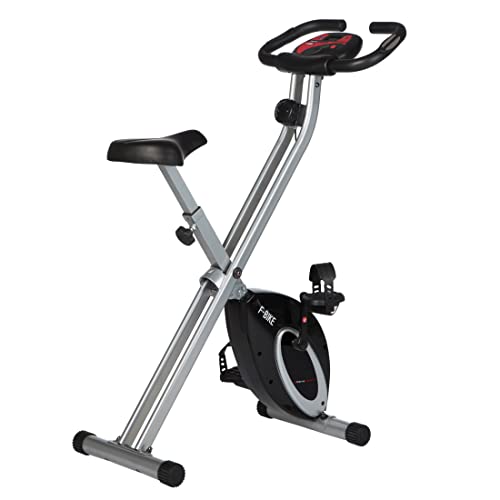 Home exercise equipment provides a flexible, economical, and individualized method to stay healthy and fit. Whether you're a skilled athlete or a physical fitness beginner, t here is a broad variety of equipment readily available to suit your needs and goals. By thoroughly considering your space, budget plan, and fitness goals, you can develop a home health club that not just fulfills your existing requirements but also supports your long-lasting health and health. With the ideal setup and a constant workout routine, attaining your fitness objectives has never ever been more practical. Extra Resources Online Fitness Communities: Join online forums and social networks groups to connect with other home health club lovers and share suggestions and advice. Fitness Apps: Use apps like MyFitnessPal, Fitbit, or Nike Training Club to track your development and stay inspired. Personal Trainers: Consider employing an individual trainer to help you develop a personalized exercise plan and ensure you are utilizing your equipment properly. By following these guidelines and FAQs, anybody can produce a functional and efficient home health club that enhances their fitness journey.